PROPOSAL FOR
EDUCATION ON
CONSERVATION OF THE
ECOSYSTEM,
INTEGRAL
HEALTH AND
TRANSITION TO
AGROECOLOGY
Our purpose
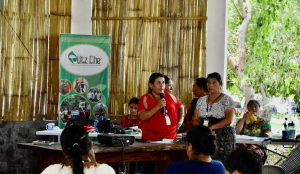
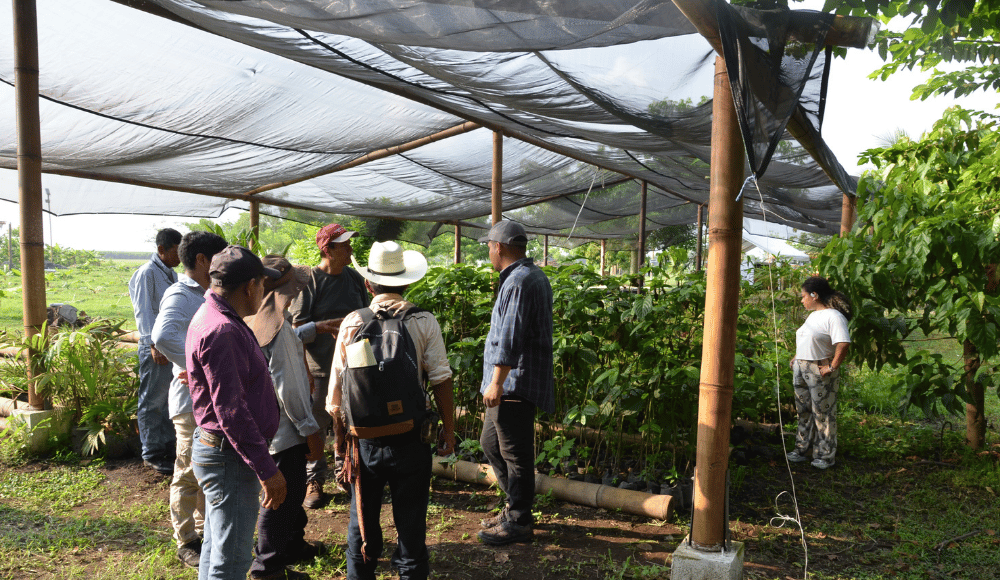
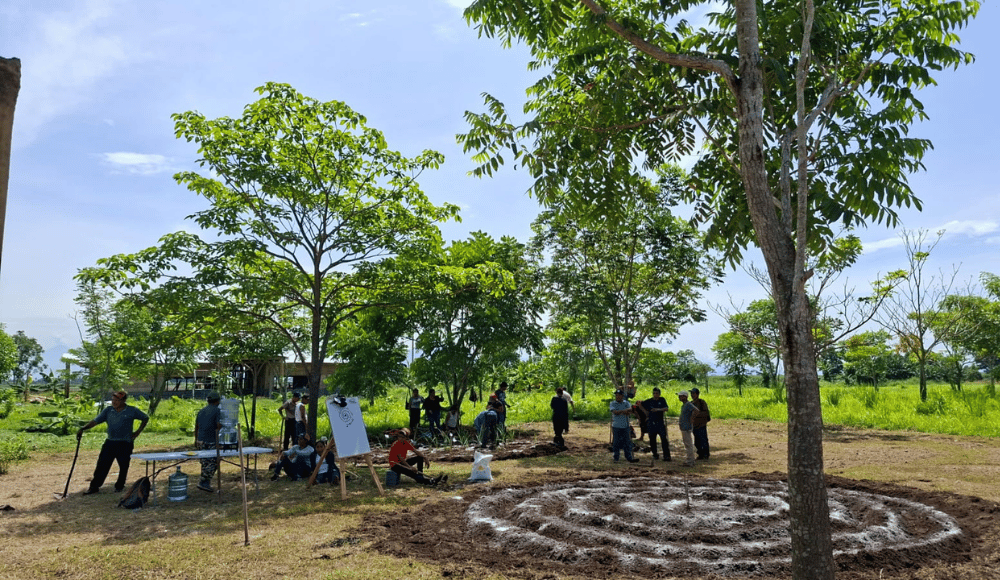
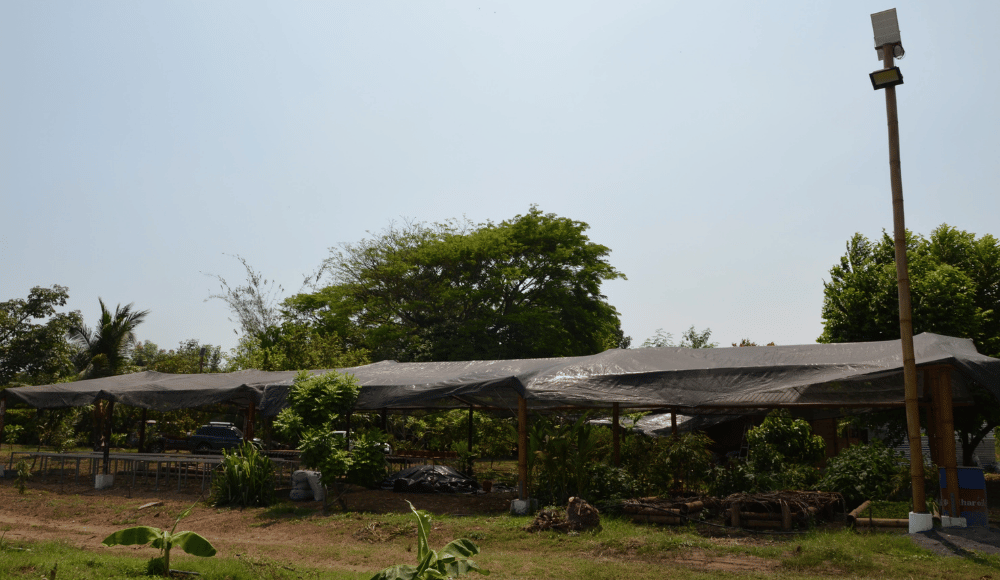
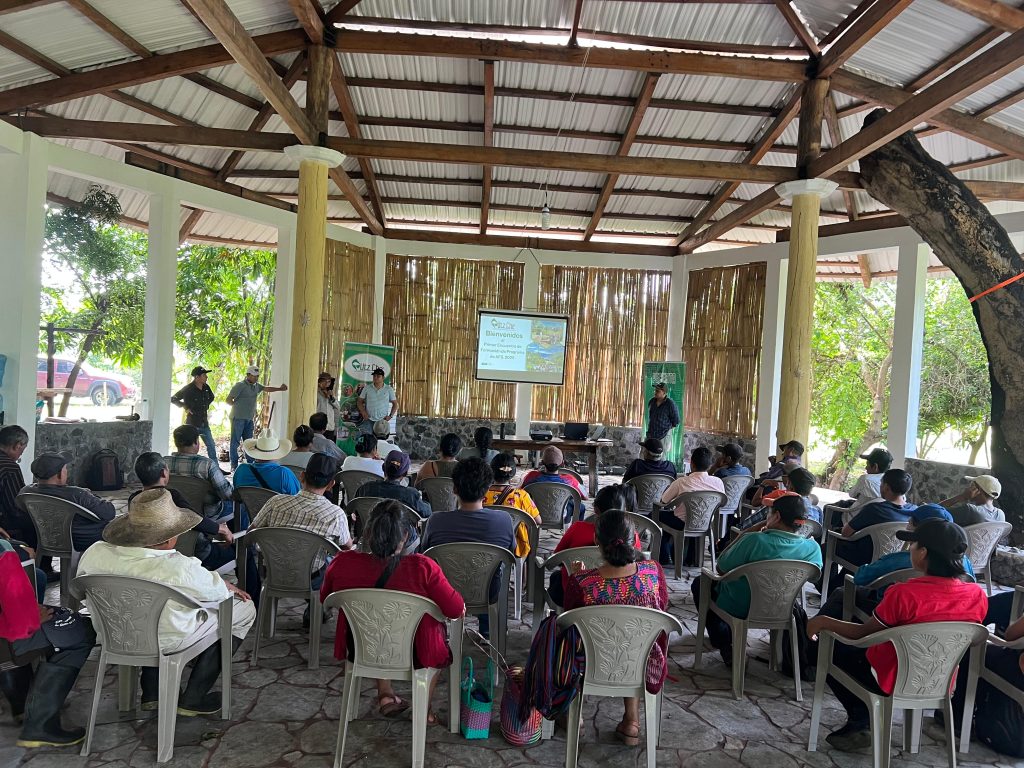
Located on the southern coast in the Escuintla region, the Utz Che' network's integral and community formation center —PECESITA— seeks to develop a dynamic space for learning, practice, sharing, and knowledge transfer. It is presented as a demonstration area with production units that can be replicated by families in their communities and in the landscape. Through PECESITA, Utz Che’s goal is to promote food sovereignty through practical actions to adapt to climate change and improve livelihoods, while strengthening advocacy capacities on these issues as well as on territorial and indigenous rights.

1. EDUCATION AND FORMATION
Grassroots community organizations in the Utz Che’ network, as well as the general indigenous and rural population, can have access to a platform, a range of resources, and a participatory “learning by doing” methodology.
2. ENVIRONMENT AND NATURAL RESOURCES
A fully integrated space for training, learning, and community innovation that strengthens environmental awareness and the sustainable management of natural resources, promoting the community forestry model and linking it to an inclusive, resilient, and solidarity-based economy.
3. LEADERSHIP AND ENTREPRENEURSHIP
Provide education and training programs tailored to local economies, the labor market, and new technologies and techniques that foster business leadership.
4. POLITICAL TRAINING AND ADVOCACY
To build a political education grounded in participatory and community-based governance that transforms social consciousness and citizenship in order to drive concrete changes in the defense of collective and territorial rights.
5. INTERCULTURALISM AND COMMUNITY
A space to foster intercultural and community ties through the exchange of knowledge, expertise, and successful experiences that help drive innovative, sustainable initiatives in line with the country’s multicultural and plurinational identity.
Together, let's build ecological, resilient, autonomous, culturally relevant models that can be replicated and inspire others far beyond.
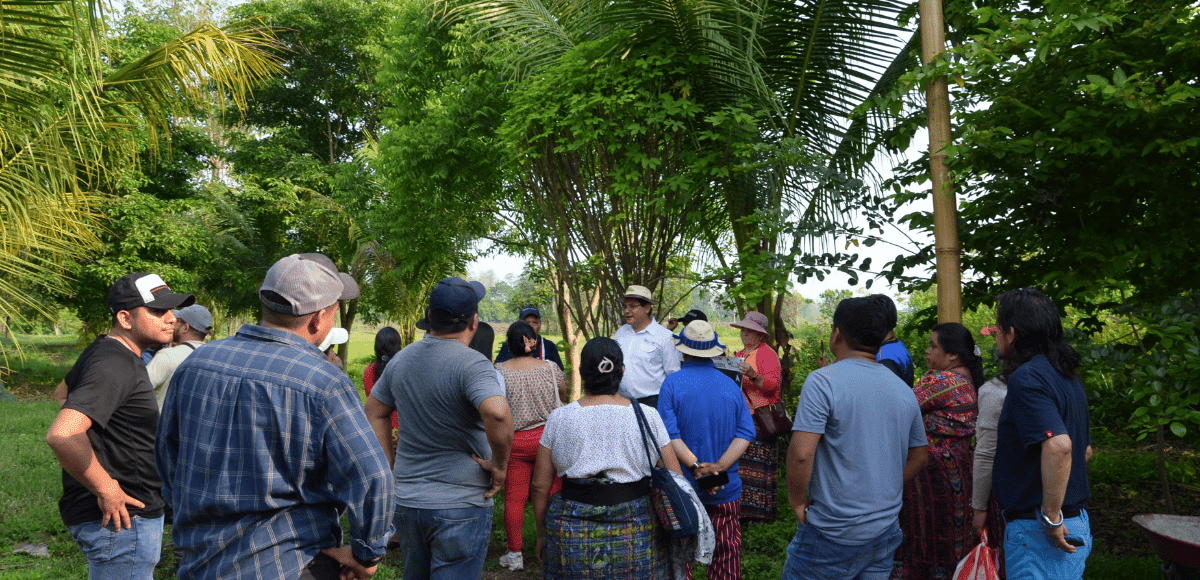
- Empower communities, especially young people and women, with successful models in their communities in technical, productive, and innovative skills adapted to their realities and climate change.
- Strengthen agroecological practices and sustainable resource management from an ecosystem perspective.
- Value and preserve cultural and natural assets and indigenous and ancestral knowledge.
- Promote the leadership of indigenous communities to influence political decision-making spaces.
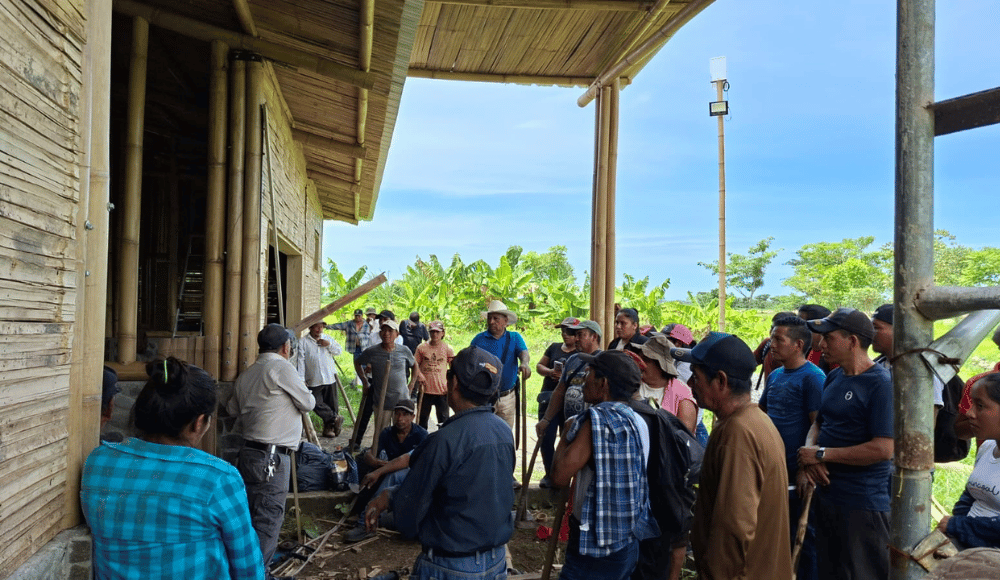
Kilometer 96.5 of the Escuintla-Puerto Quetzal highway, municipal district of Masagua, department of Escuintla, Guatemala.