Origins and Foundation
The Utz Che’ Association was established with the primary objective of legitimately representing the demands and interests of its grassroots communities in various sectoral, trade union, and decision-making spheres related to public policies on forest management, environmental management, and rural development in general, guided by principles of sustainability and cultural relevance.
Its history dates back to the early 2000s, when several communities involved in forest management and forest plantations—most of them participants in the Forest Incentives Program (PINFOR) run by the National Forest Institute (INAB)—began to get to know each other and coordinate their activities based on their common forestry objectives, opportunities, and challenges. Gradually, this coordination gained momentum in a social movement representing organized forest communities.
The need to join forces, gain knowledge, and have a stronger voice to confront public policies, threats to communal lands, and the lack of state recognition of indigenous authorities and organizations led these communities to form and legally establish the Utz Che’ Association in 2006 as a legitimate social movement representing Guatemala’s organized forest communities.
Utz Che’ was founded as part of several mechanisms for coordination and consultation of interests and participation of indigenous and peasant populations, for the management of forests with cultural and social relevance, beginning its activities with this purpose with a membership of 16 grassroots community organizations. By 2018, after 12 years of continuous work, it had achieved significant organizational growth and expanded its coverage to become a network of organizations with national coverage, establishing to date three working regions with their respective headquarters and work teams.
Institutional Profile
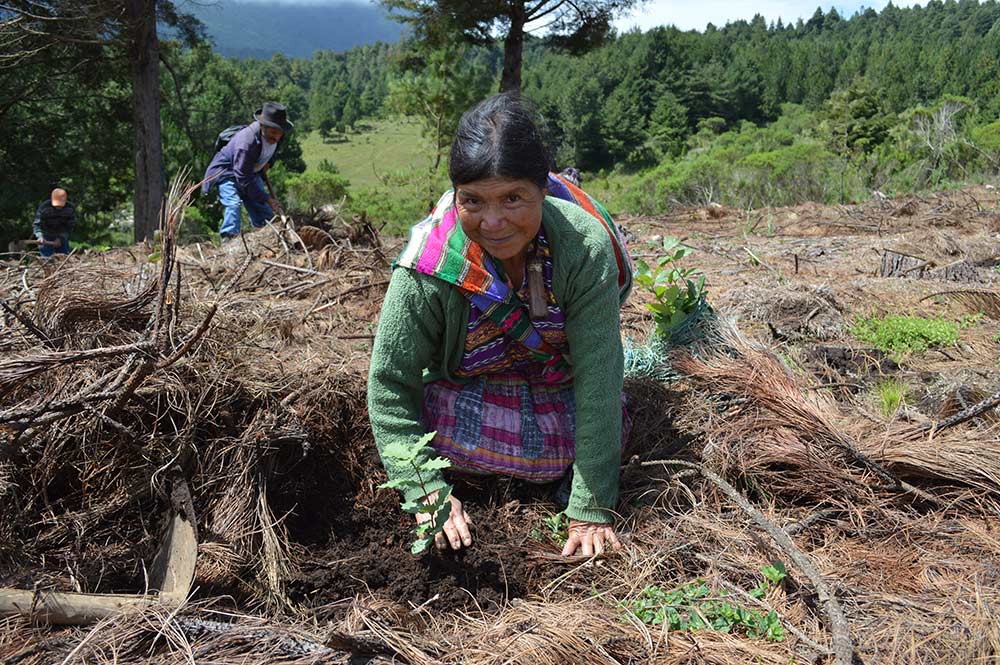
Utz Che’ has its origins in the collaboration and commitment of a group of communities involved in forest plantation management, with common goals, challenges, and needs, which came together and evolved to become a second-tier organization committed to the sustainable management of their natural resource assets, especially forest plantations.
One of Utz Che’s fundamental purposes is to legitimately represent the demands and interests of grassroots communities. Consequently, it actively participates in various sectoral and trade association forums, as well as in advocacy on legislation related to forest management, environmental conservation, and rural development in general.
Over the years, a series of actions have been implemented that have had a significant impact on improving the quality of life of communities and conserving our natural resources; these achievements are fundamentally linked to a community-based model of governance.
To achieve its objectives, the organization has established strategic partnerships with a variety of actors, including local governments, NGOs, academic institutions, and private companies. These collaborations have been fundamental in expanding the scope, strengthening capacities, and maximizing the impact of interventions.
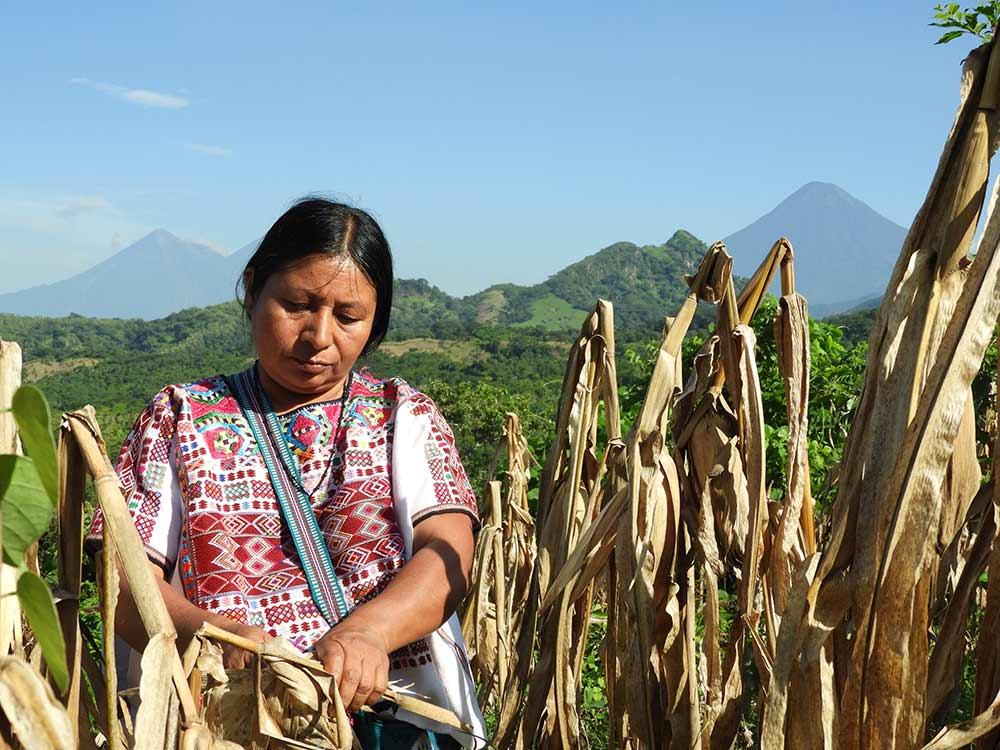
Ancestral knowledge and experience are fundamental pillars on which Utz Che' bases its work for sustainable forest management and biodiversity conservation. The communities at its base belong mainly to Mayan peoples, and many of them have developed their own sustainable model of forest management, known as community forestry, which marks a significant difference compared to other forest management practices in the country and the region.